Introduction
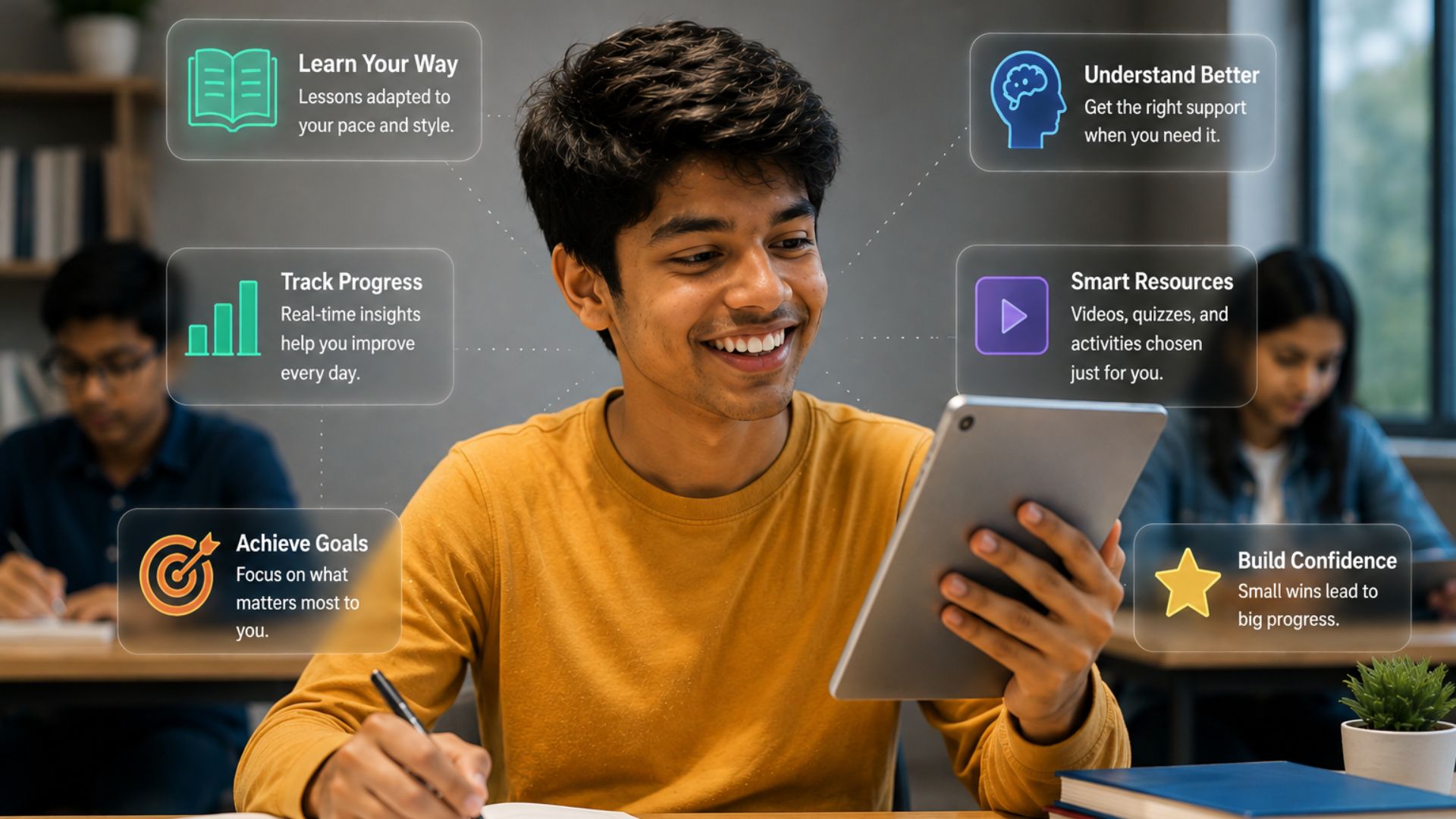
For over a century, most classrooms have followed the same model: one teacher, one syllabus, one pace, and one exam for every student. While this system has educated millions, it assumes that every student learns the same way. In reality, every learner has different strengths, interests, learning speeds, and career goals.
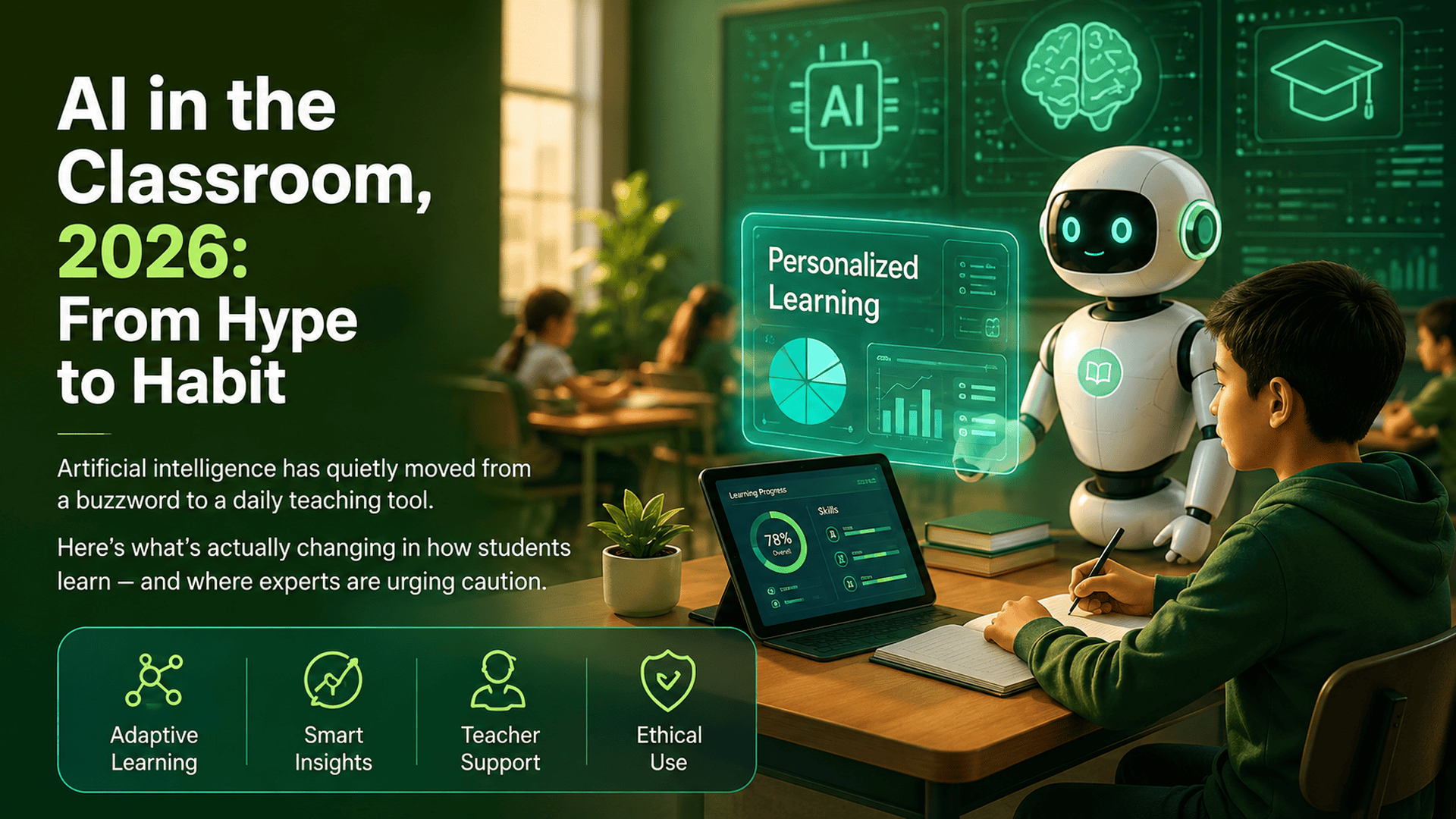
Personalized learning is changing this approach by adapting education to each student's individual needs. With advances in artificial intelligence and data-driven learning platforms, personalized education is becoming the future of learning.
Why the Traditional Model Is No Longer Enough
Imagine two students in the same mathematics class. One understands algebra within minutes, while the other needs additional examples and practice. Yet both are expected to move through the same lessons and take the same exams at the same time.
This creates several challenges:
- Fast learners become bored.
- Students who need more support fall behind.
- Teachers struggle to meet every student's needs.
- Learning becomes focused on grades instead of understanding.
What Is Personalized Learning?
Personalized learning uses technology, analytics, and adaptive teaching methods to create a unique learning path for every student.
Instead of asking every student to follow the same route, personalized learning asks:
- What does this student already know?
- What topics require more practice?
- Which learning style works best?
- What career goals does the student have?
The learning experience then adapts accordingly.
How Technology Makes It Possible
Modern educational platforms can:
- Recommend lessons based on previous performance.
- Adjust question difficulty automatically.
- Suggest revision topics.
- Track strengths and weaknesses.
- Recommend videos, quizzes, and practice exercises.
Students receive the right content at the right time instead of following a fixed schedule.
Benefits
For Students
- Learn at their own pace.
- Better understanding instead of memorization.
- Higher confidence.
- Less academic stress.
For Teachers
- Better insight into student progress.
- More time for mentoring.
- Early identification of struggling students.
For Parents
- Clear visibility into their child's learning journey.
- Data-driven progress reports.
Challenges
Personalized learning also requires:
- Reliable internet access.
- Digital devices.
- Teacher training.
- Strong data privacy measures.
Technology should support teachers, not replace them.
Conclusion
Education is shifting from teaching the same lesson to everyone toward helping every student reach their own potential. Personalized learning is not about replacing classrooms, it is about making education more effective, engaging, and meaningful for every learner.
Open a New Door with Ekluvya by which your child gets:
- All grades (Nursery - 12) and IIT/NEET foundation courses
- The power to choose a teacher, by topic
- Online flexibility and Netflix-like quality